
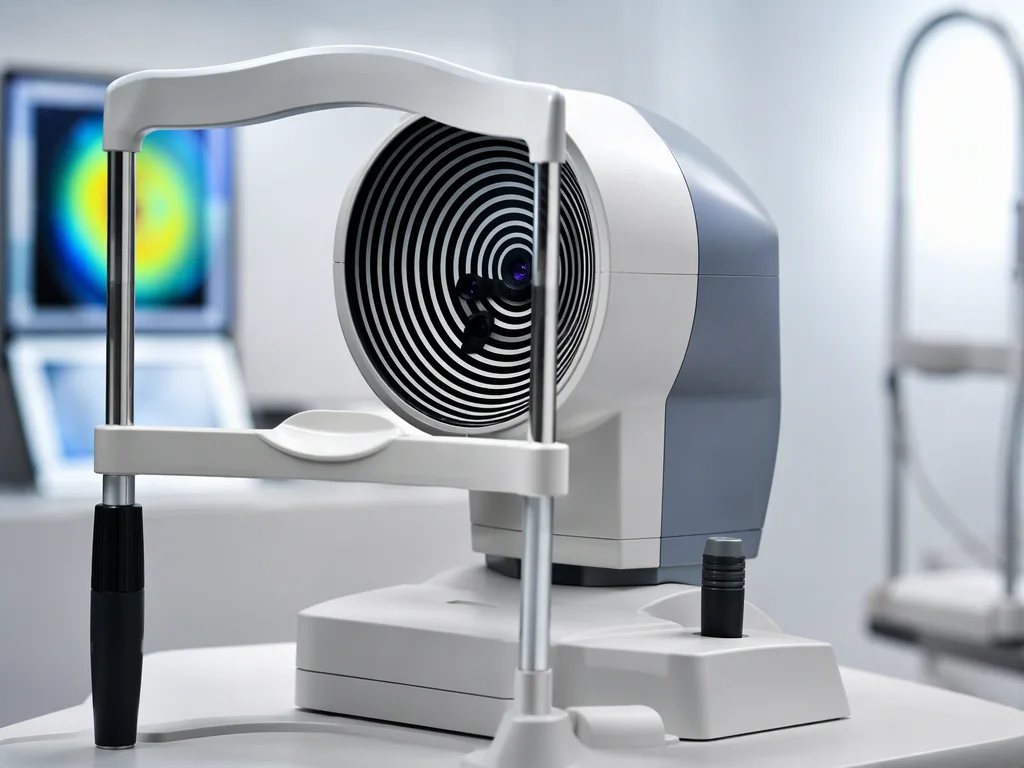
Small-incision lenticule extraction explained
A femtosecond laser creates a lens-shaped piece of tissue within the cornea and a small incision. The surgeon removes the lenticule, changing corneal curvature and therefore focusing. No LASIK-style flap is created.
The range of refractive errors that can be treated and the possibility of later enhancement differ from other methods. Suitability depends on current clinical guidance, the platform and your eye measurements.
Dry eye, recovery and activity questions
Dry-eye symptoms can occur after SMILE as after other refractive procedures. Recovery patterns vary; a smaller incision does not guarantee instant comfortable vision. Contact-sport and eye-rubbing advice should come from the treating surgeon.
Preoperative tear-film assessment and discussion of night-vision symptoms remain important.
Where SMILE may not be the answer
Not every prescription or corneal shape fits this technique. Hyperopia and some astigmatism patterns require particular consideration depending on approved treatment ranges. ICL, PRK, LASIK or no surgery may be more appropriate.
Ask how enhancement would be handled if residual refractive error remained and what long-term follow-up involves.
General education versus hospital availability
This page exists so patients can understand terminology encountered during research. It does not claim that Sentra currently has a SMILE platform. Confirm services directly and base your decision on an in-person assessment.
Medical information & sources
This page provides general patient education and does not diagnose candidacy or replace an ophthalmologist’s examination. Clinical content requires final treating-doctor approval before launch.