
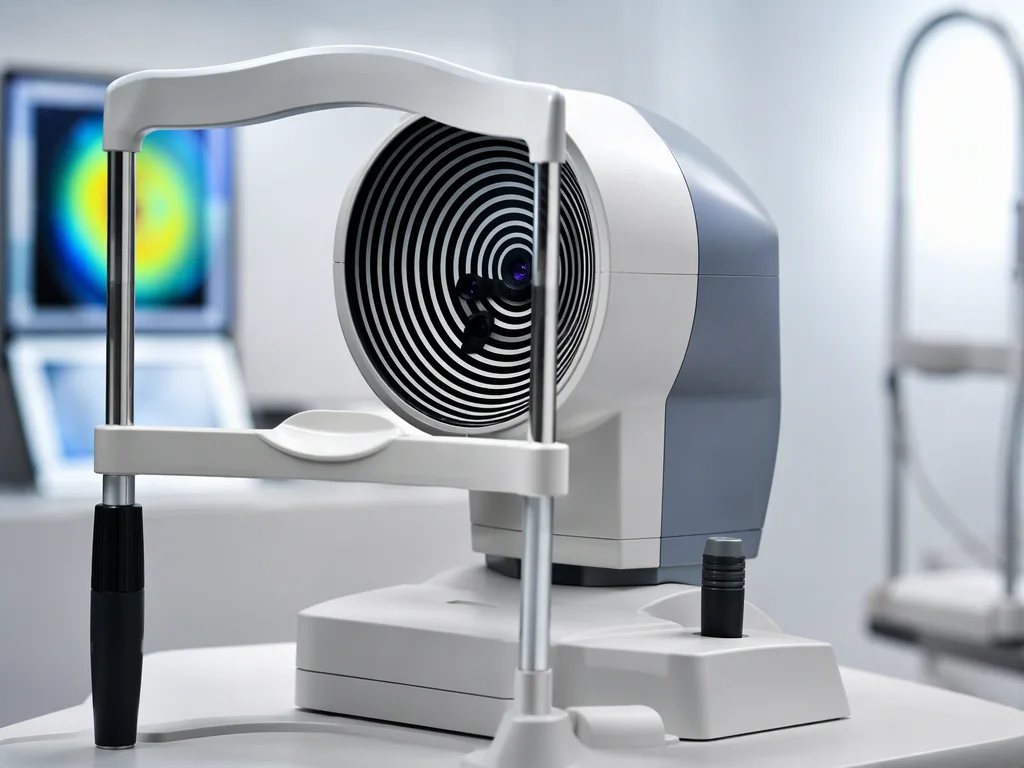
Two laser steps, two different purposes
In femtosecond LASIK, the first laser creates a precise corneal flap. An excimer laser then reshapes the exposed corneal bed according to the planned refractive correction. The flap is placed back into position without routine stitches.
Conventional LASIK uses a microkeratome for flap creation and an excimer laser for reshaping. The choice depends on clinical factors, surgeon assessment and available technology; the phrase blade-free does not make the procedure free of risk.
Why corneal measurements still matter
Flap creation and tissue removal must leave the cornea with an appropriate structural profile. Topography or tomography helps assess shape, while pachymetry measures thickness. The tear film, pupil considerations, eye pressure and general eye health may also be reviewed.
A high prescription or thin cornea does not automatically point to one solution. Your surgeon may discuss surface laser treatment, ICL, continued lenses or no surgery.
Flap-related and vision-related considerations
Dryness, glare, halos, fluctuating vision and under- or overcorrection may occur. Flap folds, epithelial ingrowth, inflammation and other flap complications are also part of informed consent, even though their frequency differs.
Recovery is often quicker than with surface laser procedures, but individual experiences vary. Do not use someone else’s timeline to plan driving or a return to visually demanding work.
Questions worth asking
Ask who will perform each step, which platform is planned, why femtosecond flap creation is recommended for you, what enhancement policies apply and how dry-eye or night-vision symptoms would be managed. A written plan and estimate help you compare recommendations responsibly.
Medical information & sources
This page provides general patient education and does not diagnose candidacy or replace an ophthalmologist’s examination. Clinical content requires final treating-doctor approval before launch.